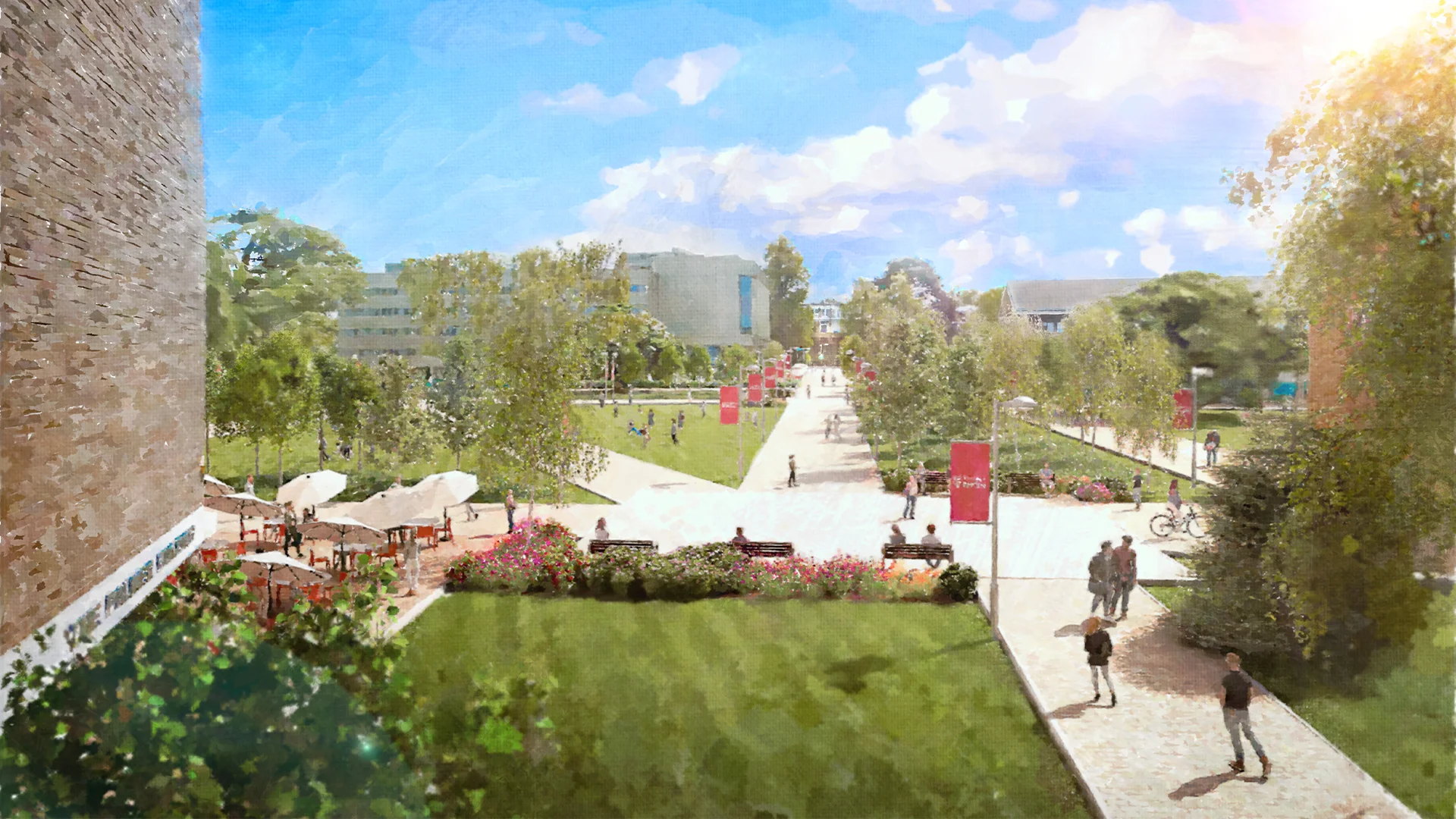
The University of Reading needed a strategic framework to guide the future evolution of its campus landscapes and open spaces as part of the University Estate Strategy (2022-2032).
Nicholas Pearson Associates was commissioned to provide Environmental Design expertise through landscape appraisal, strategic advice, concept visualisation and estate-wide landscape planning. We worked alongside Hawkins\Brown architects and the University’s Estates Leadership Team. Together, we prepared the Campus Landscape and Open Space Appraisal (CLOS) covering Whiteknights, London Road and Greenlands campuses. The work established a consistent landscape evidence base, identified opportunities for future investment and demonstrated how landscape projects could support sustainability, accessibility, student and staff experience, place-making and long-term estate management.
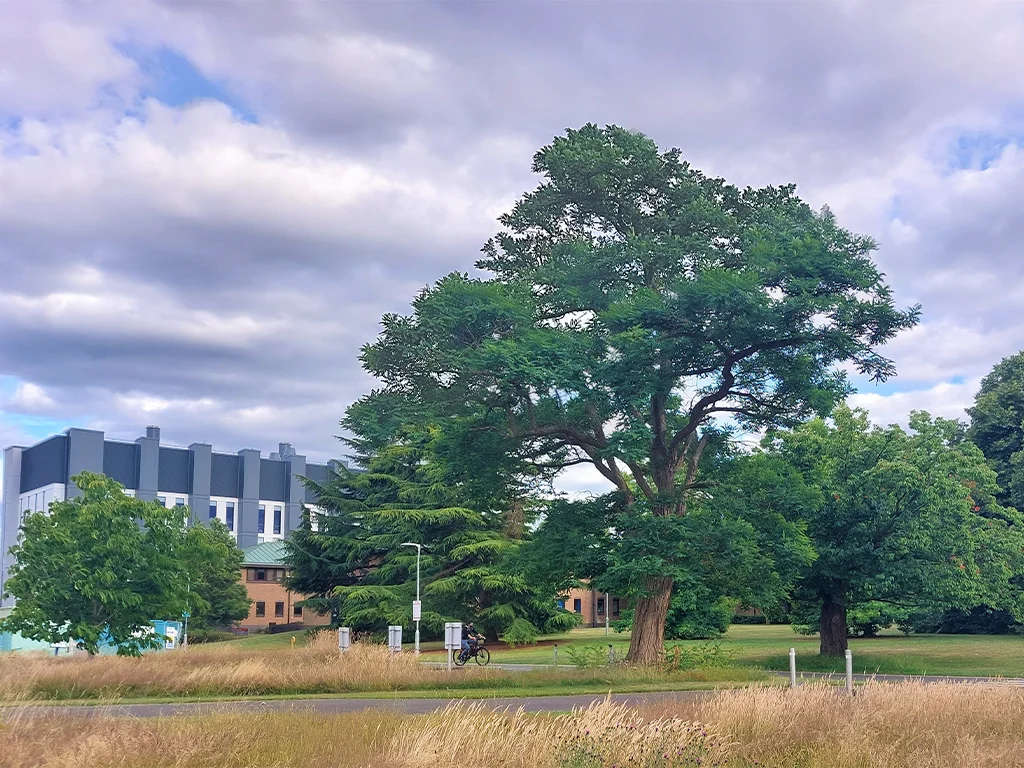
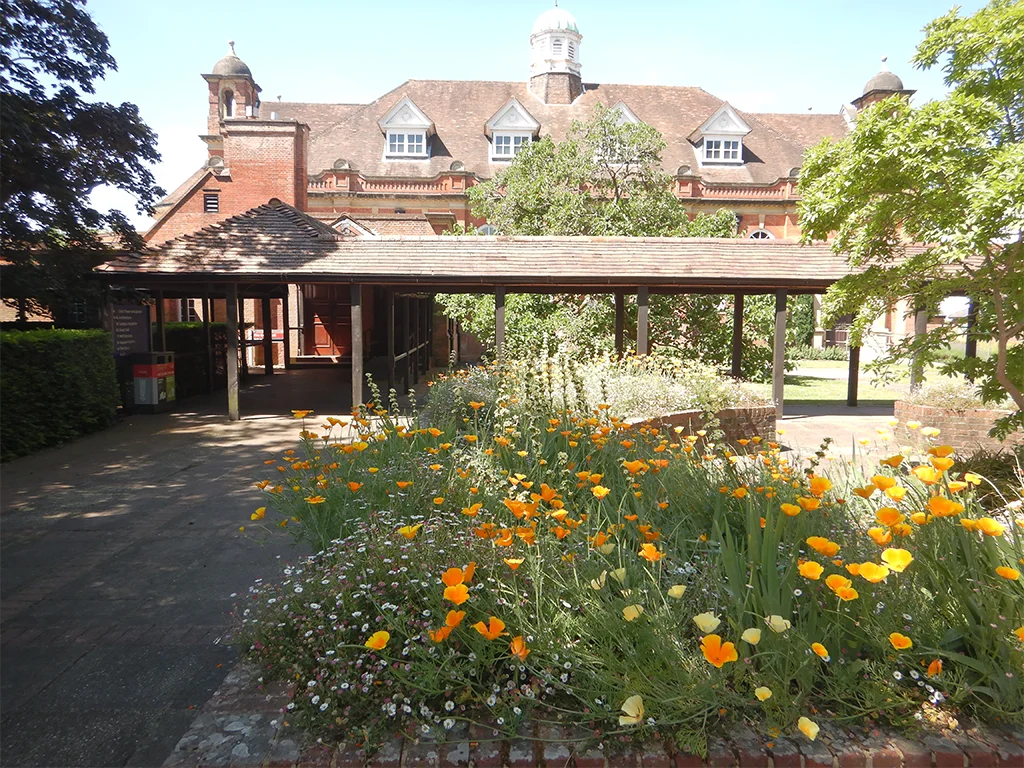
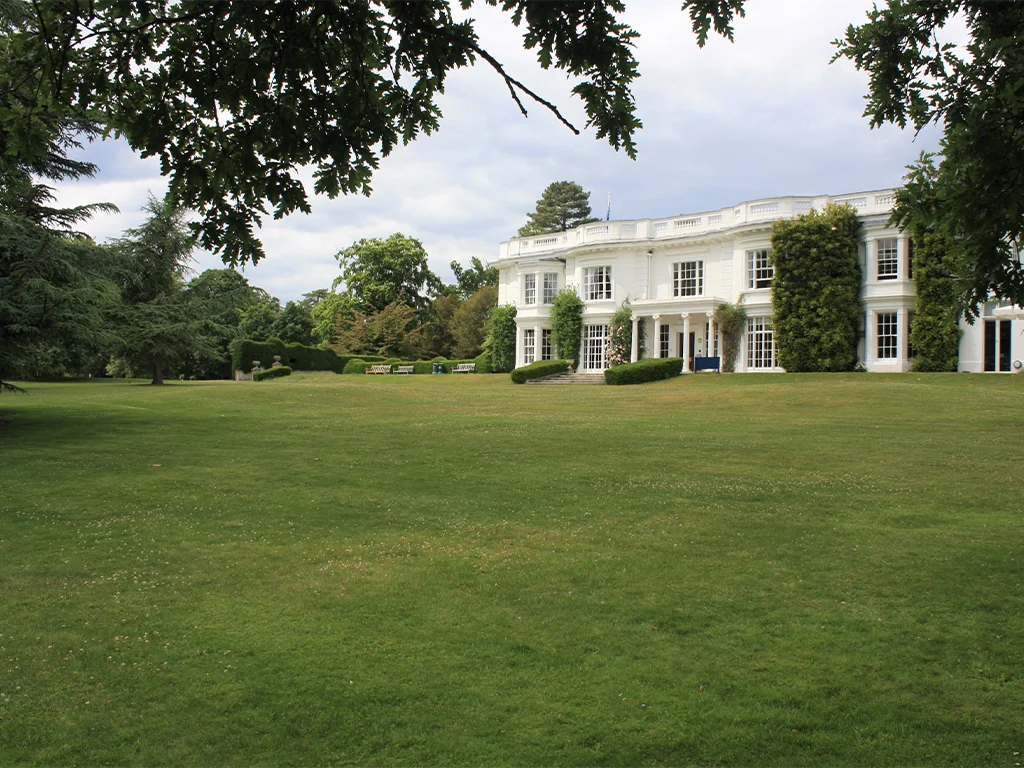
The Campus Landscape and Open Space Appraisal covered three distinct University campuses: Whiteknights in Reading, London Road in Reading and Greenlands at Henley-on-Thames. Each campus has its own landscape character, operational requirements and physical setting. Collectively, they contribute to the University’s wider vision of a “University in a Park“. Our role was to establish a consistent landscape appraisal framework that could be applied across the estate whilst recognising the individual qualities of each location. This enabled opportunities, constraints and future landscape priorities to be reviewed systematically across all three campuses. It also allowed future management initiatives and project interventions to be compared within a common University Estate Strategy framework.
We adopted a structured process combining site appraisal, stakeholder engagement and landscape analysis. We undertook a programme of workshops, site visits and review sessions with University representatives, grounds maintenance teams and the wider Estates Strategy team. A key part of the commission involved listening to those responsible for managing and operating the estate. These discussions helped define expectations and values for the future evolution of the campus landscapes. They also highlighted operational priorities, maintenance requirements and future aspirations.
In addition, for each campus, we completed a Landscape Character Assessment, identifying fourteen Landscape Character Areas across the three sites. We recorded existing landscape characteristics, opportunities, and challenges through site observations, mapping, photography and review of baseline information. Workshops covering sustainability, campus identity, workspace needs, seamless engagement and project delivery helped ensure that recommendations reflected both physical landscape conditions and operational experience. This collaborative approach created a strong evidence base for University Estate Strategy planning. It helped ensure that future landscape investment could respond to both operational requirements and long-term aspirations.
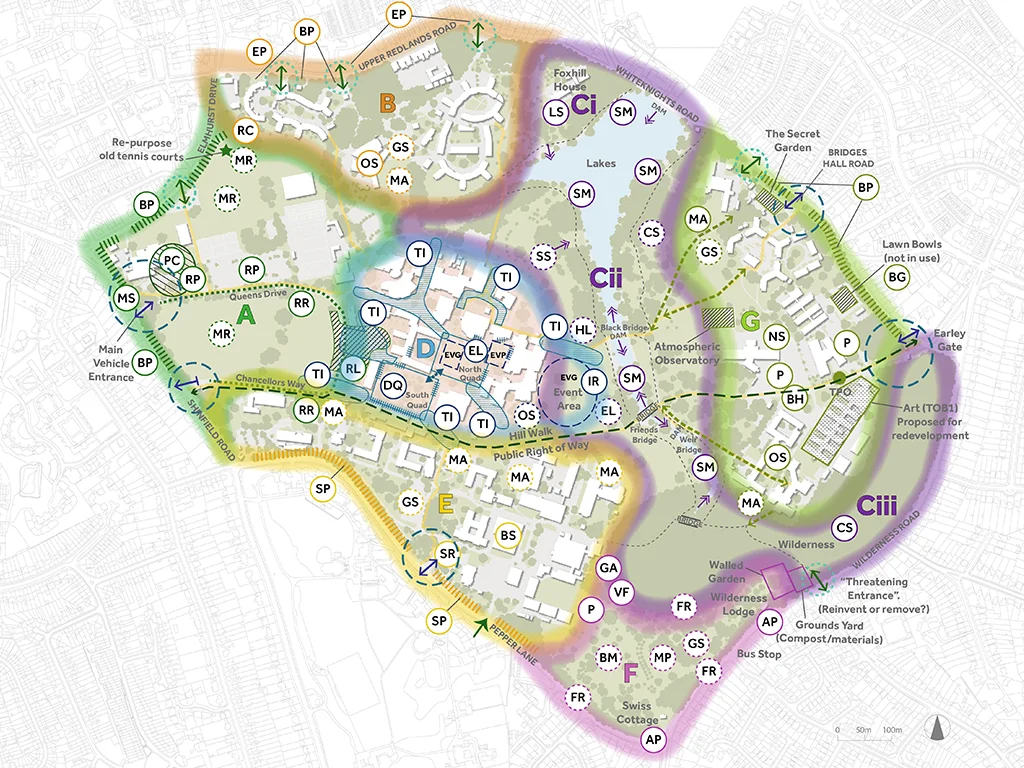
The project combined landscape analysis with visual communication to translate complex information into a clear and practical landscape strategy. Landscape Character Assessments established a robust baseline from which future interventions could be considered. In turn, this helped prioritise landscape initiatives across the estate. For each campus, we identified opportunities linked to arrival experiences, movement networks, green infrastructure, blue infrastructure and the quality of key public spaces.
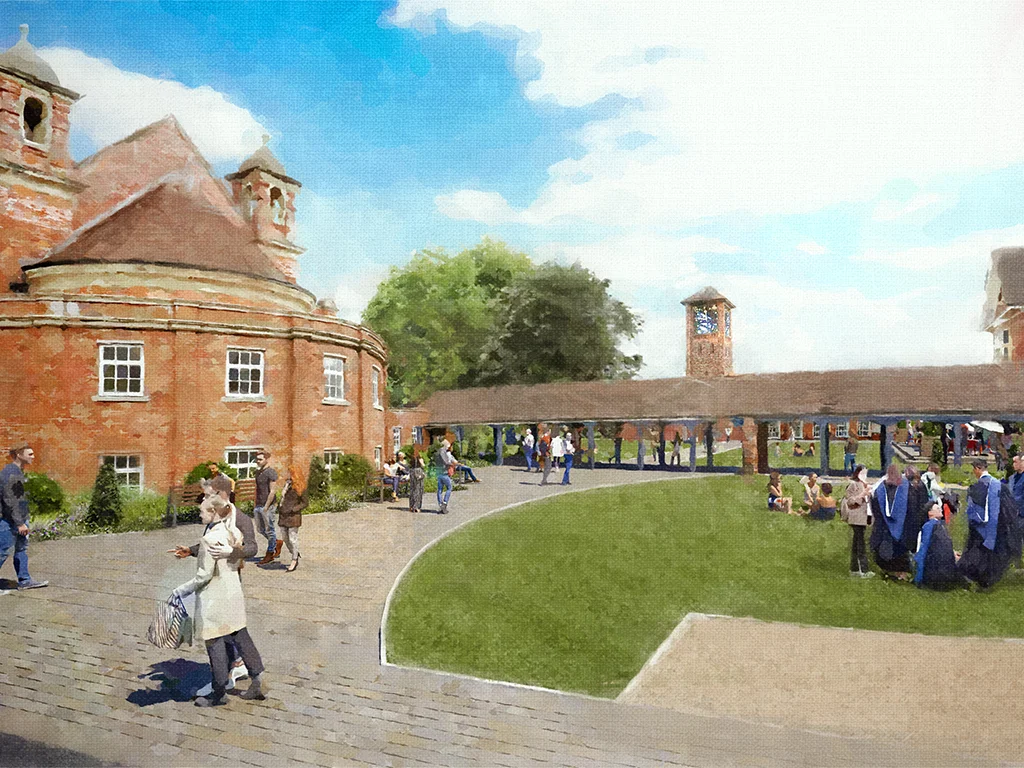
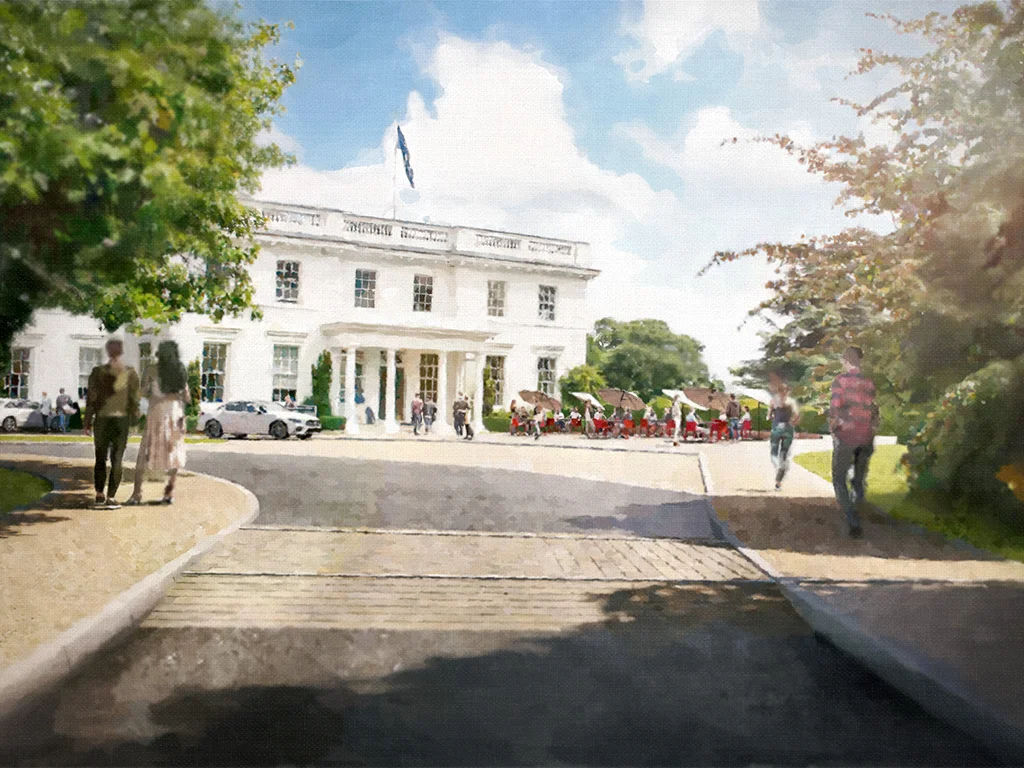
A series of landscape concept layer diagrams illustrated how landscape projects could support wider University Estate Strategy objectives. In addition, we prepared watercolour-style concept visualisations to communicate the potential character of future interventions at each campus. As a result, technical findings could be understood more easily by both strategic and operational stakeholders. Alongside the appraisal and visual materials, we provided strategic advice. We also supplied high-level programme information to support project prioritisation, budgeting and future delivery planning.
The CLOS was developed through extensive engagement with the Estates Leadership Team, grounds maintenance staff and project partners. At the same time, our experience in landscape character assessment and strategic landscape appraisal helped provide an objective understanding of each campus’s opportunities, constraints and defining landscape characteristics. A key objective of the workshop programme was to understand how the estate functioned in practice and to learn from those responsible for managing, maintaining and using the campuses on a day-to-day basis.
As a result, the appraisal, opportunity plans and visualisations helped bring this collective knowledge together within a consistent framework. By combining professional landscape appraisal techniques with the experience of those who knew the campuses best, the study established a shared understanding of opportunities across the estate. The outputs provided a structured basis for discussing future investment priorities and demonstrated how a landscape-led appraisal process can support the preparation of a University Estate Strategy and the ongoing management of large, multi-site estates.
The Campus Landscape and Open Space Appraisal formed a core appendix to the University’s Estates Strategy, developed to guide the evolution of the estate over a ten-year period. Consequently, the study provides a long-term framework for landscape planning, management and investment across the University’s campuses. Through coordinated working with the Estates Leadership Team, we delivered landscape appraisal, strategic advice and visualisation services that inform estate planning and future project development. This project demonstrates how Landscape Character Assessment, strategic landscape planning and visual communication can support the management and evolution of large institutional estates.
Please contact us to discuss how our team can help you with your next project.
Our values and value-led approach to Environmental Design help you to achieve your project’s potential We get to know our clients and provide pragmatic guidance and design solutions We can be [...]
Read moreOur value-driven approach to Landscape Architecture is designed to help you realise your project’s full potential We take the time to understand your goals and provide tailored design solutions [...]
Read moreOur ecologists will help you understand the biodiversity potential of your site We will get to know your site and build a consultancy relationship that you can depend on Our ecological site surveys [...]
Read moreOur talented team will help you to understand your site’s potential and visualise it’s development opportunities We can provide you with a range of photographic and digital services to suit your [...]
Read more
Creating a Long-Term Vision for Fyne Court The National Trust needed a clear strategy to guide...
Balancing Housing Delivery with Ecology Requirements EG Carter & Co Ltd needed planning...
Delivering Saltram East Country Park for a Growing Visitor Population National Trust needed to...
Legal & General Investment Management on behalf of London & Oriental needed to refurbish 38...



