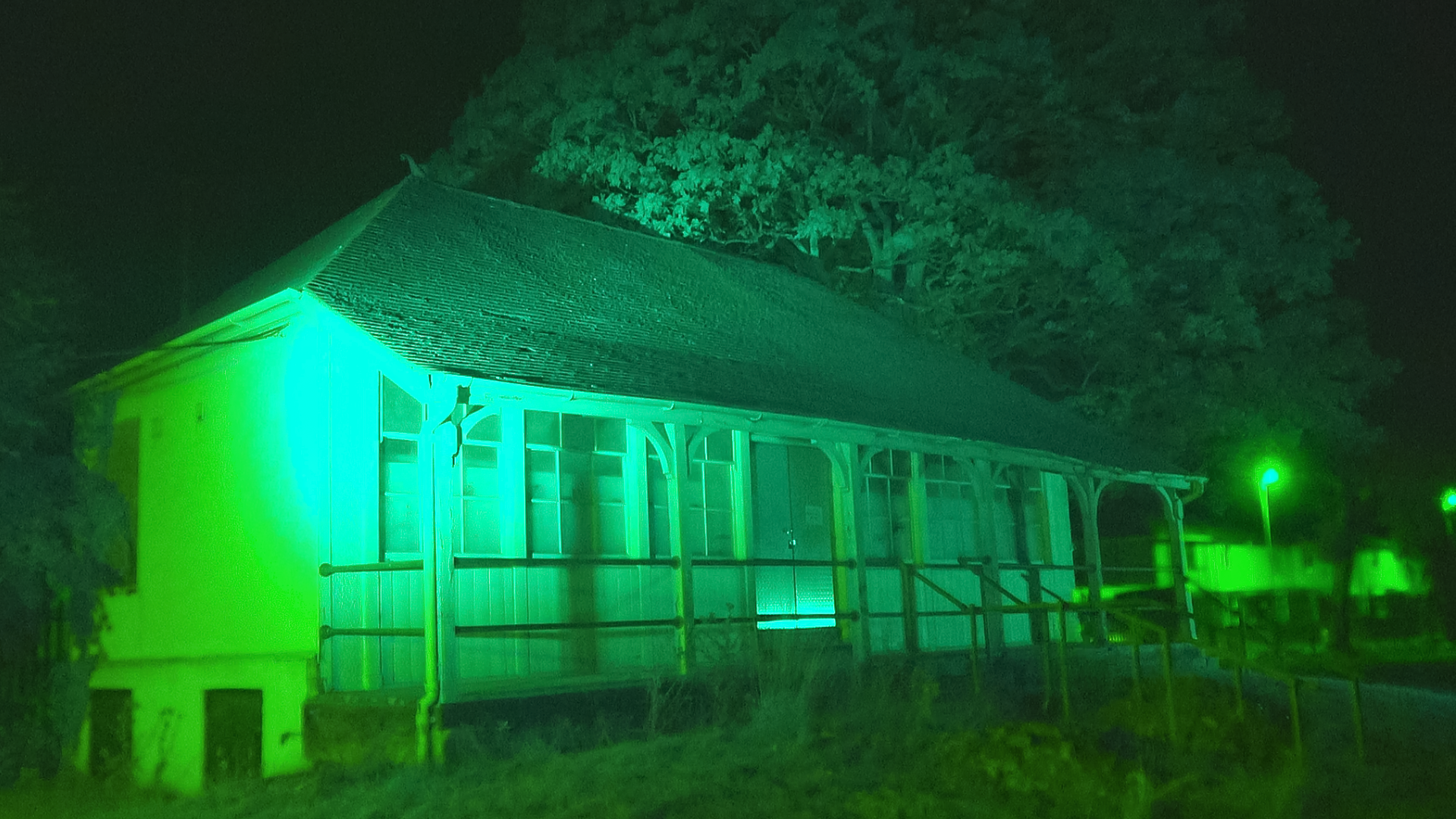
EG Carter & Co Ltd needed planning permission for a new residential development on a former university sports site in Cheltenham. Nicholas Pearson Associates was commissioned to provide ecology services including Biodiversity Net Gain, ecological surveys, and planning support to help the project team deliver 122 affordable homes whilst meeting ecology legislation, planning policy requirements and statutory biodiversity requirements. Working with The Development Studio, lighting specialists and the wider project team, we assessed ecological constraints and informed the evolving design. We also prepared the technical information required to support the planning application and discharge ecology conditions.
The proposed development needed to respond to a range of ecological and regulatory requirements before planning permission could be secured. Whilst the site comprised former sports pitches, the surrounding trees, hedgerows and boundary habitats had potential to support protected species, including bats and badgers. We needed to understand ecological constraints alongside the design aspirations for 122 affordable homes.
The project also required consideration of recreational effects on the Cotswolds Beechwoods Special Area of Conservation, together with compliance with Biodiversity Net Gain requirements. These obligations needed to be addressed in a way that supported the planning application whilst remaining practical for construction, site management and long-term habitat enhancement.
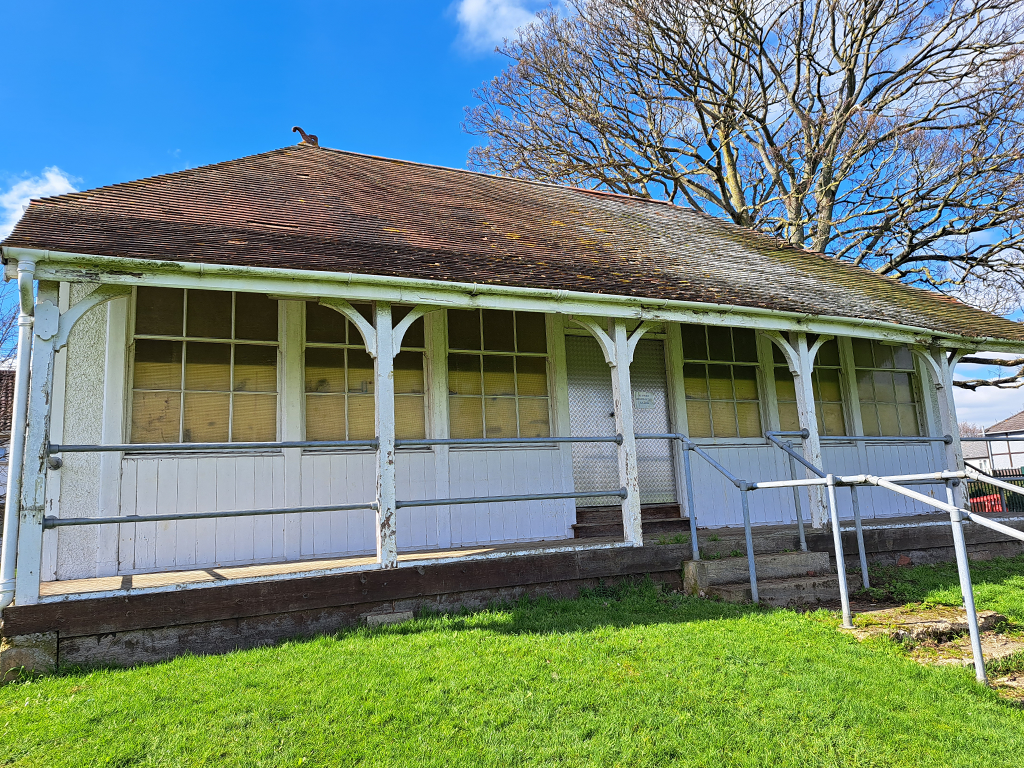
We undertook a staged programme of ecological surveys and assessments to understand the identified constraints and inform the emerging proposals. The work began with a Preliminary Ecological Appraisal, supported by habitat surveys, a Preliminary Roost Assessment, Ground Level Tree Assessment and badger survey. This established the ecological baseline and identified where further survey work was required.
Targeted bat surveys were then completed using emergence and re-entry surveys, activity surveys and automated detector monitoring. The survey findings helped us understand how protected species were using the site and highlighted areas where mitigation would be required. The information gathered also informed discussions with the wider design team, allowing ecological considerations to be incorporated into the proposals as they evolved.
By establishing a clear evidence base at an early stage, we were able to provide proportionate technical advice, support planning submissions and reduce the risk of ecological issues emerging later in the project.
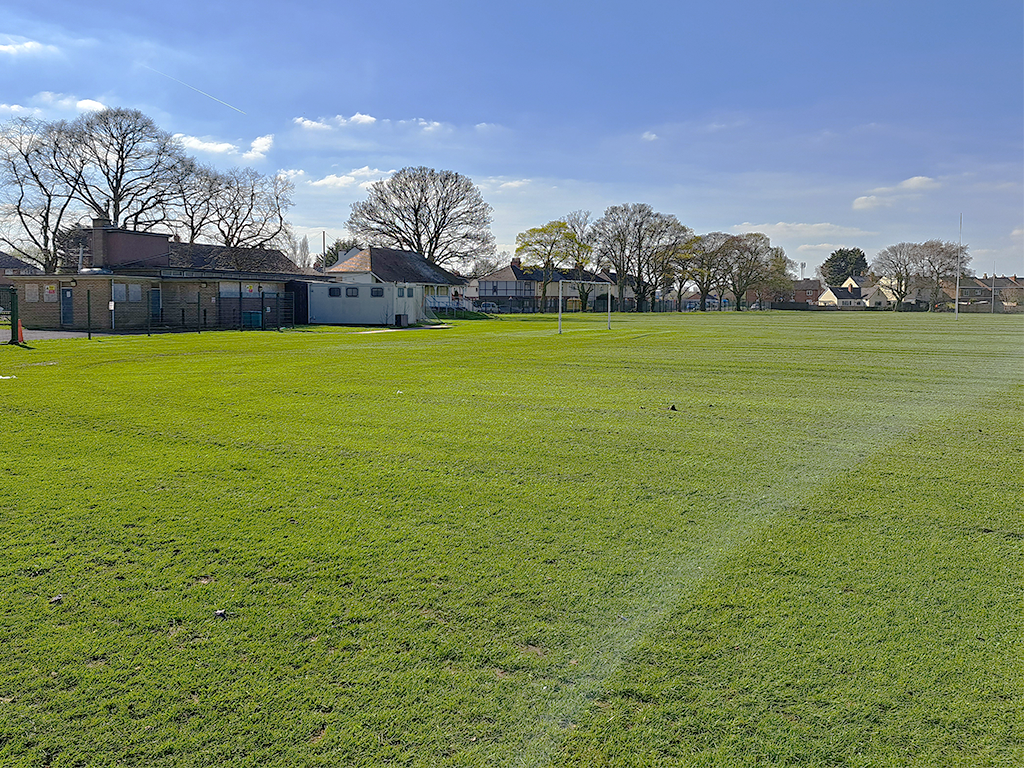
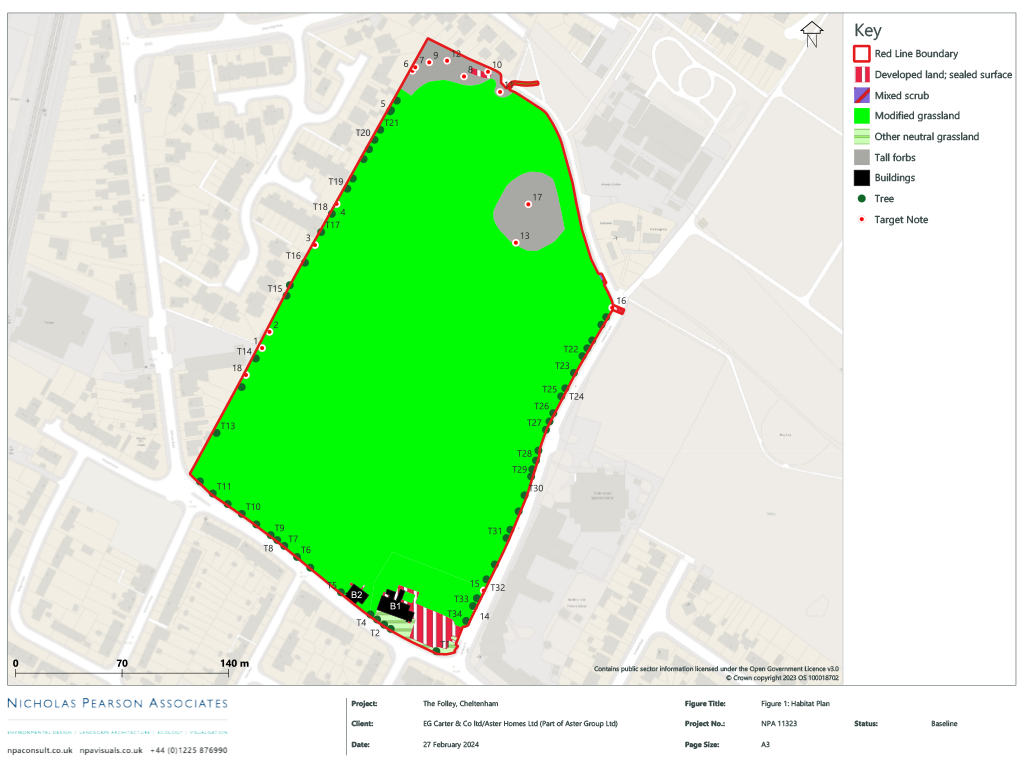
Our work combined several specialist ecology services to support the development. We prepared an Ecological Impact Assessment to evaluate likely effects on habitats and protected species and identify suitable mitigation measures. This was complemented by a Biodiversity Net Gain assessment using statutory biodiversity metric calculations to quantify habitat losses and gains and demonstrate how biodiversity net gain could be achieved alongside the affordable housing proposals.
Survey findings helped shape the emerging design. We worked with the lighting consultant to develop a strategy that reduced potential impacts on bat activity, particularly around retained habitat corridors and key commuting routes. Ecology recommendations were incorporated into the scheme to safeguard protected species whilst supporting new habitat creation.
We also prepared a shadow Habitat Regulations Assessment in relation to the Cotswolds Beechwoods SAC. We then produced the ecological information needed to discharge planning conditions. This included a Precautionary Method of Working, Ecological Mitigation and Enhancement Strategy, Habitat Management and Monitoring Plan and Biodiversity Gain Plan. We further supported the project by assisting with a Natural England badger mitigation licence.
Clear communication of technical findings was essential throughout the project. Survey data and assessment outcomes were presented in an accessible format to support understanding across the project team and planning process. This enabled ecological constraints to be considered early and reduced the risk of later design changes.
Our assessments provided the evidence the Local Planning Authority required to determine the planning application. They also showed how the project team would manage ecological impacts. The work also showed how biodiversity enhancement could be delivered alongside affordable housing provision. Close coordination with the architect, lighting consultant and developer ensured that ecological mitigation, habitat creation and biodiversity monitoring requirements remained practical and deliverable during construction and future site management.
The project secured planning approval for a development providing 122 affordable homes on the outskirts of Cheltenham. Our ecological input supported compliance with planning policy, protected species legislation and biodiversity requirements throughout the project lifecycle. Our work helped secure planning approval and deliver on-site Biodiversity Net Gain through ecological assessment, mitigation and habitat enhancement measures. The project demonstrates how early ecological input can help residential development proposals address protected species constraints, meet Biodiversity Net Gain requirements and establish a clear framework for long-term habitat management.
Please contact us to discuss how our ecology team can help you with your next project.
Our values and value-led approach to Environmental Design help you to achieve your project’s potential We get to know our clients and provide pragmatic guidance and design solutions We can be [...]
Read moreOur value-driven approach to Landscape Architecture is designed to help you realise your project’s full potential We take the time to understand your goals and provide tailored design solutions [...]
Read moreOur ecologists will help you understand the biodiversity potential of your site We will get to know your site and build a consultancy relationship that you can depend on Our ecological site surveys [...]
Read moreOur talented team will help you to understand your site’s potential and visualise it’s development opportunities We can provide you with a range of photographic and digital services to suit your [...]
Read more
Delivering Saltram East Country Park for a Growing Visitor Population National Trust needed to...
Shaping a Long-Term Vision for a University in a Park The University of Reading needed a strategic...
Legal & General Investment Management on behalf of London & Oriental needed to refurbish 38...

Project Introduction Branna Limited needed professional townscape assessment expertise as part of a...
Please contact us to discuss how our ecology team can help you with your next project.
Contact us


